Supporting Adults with Severe Physical Disabilities at Home

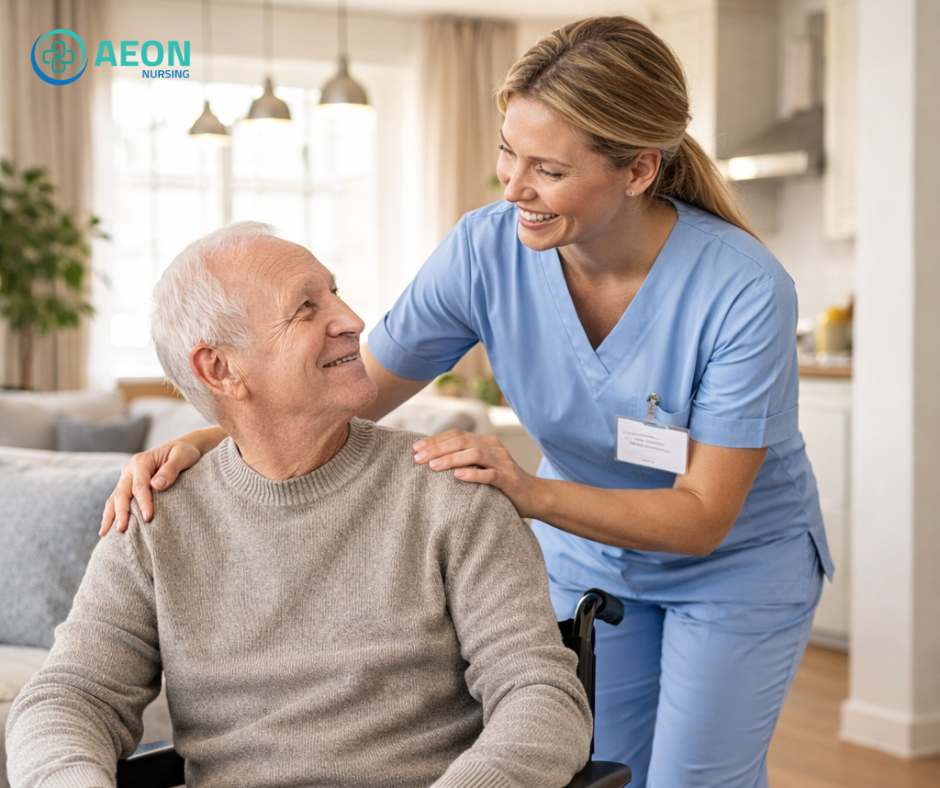
Supporting Adults with Severe Physical Disabilities at Home
Many individuals with physical disabilities prefer to remain at home. According to NHS guidance on care and support, personalised care services can help individuals maintain independence and quality of life.
However, severe physical disabilities can create significant challenges in everyday life. Tasks such as mobility, personal care, and managing medical conditions may require assistance from trained professionals.
Complex care services allow individuals with disabilities to remain in their homes while receiving the support they need to maintain safety, dignity, and independence.
Daily Challenges
Adults living with physical disabilities may face challenges that affect many aspects of daily life.
These challenges can include:
• Difficulty moving around the home
• Limited ability to perform personal care tasks
• Fatigue or chronic pain
• Dependence on medical equipment
Without appropriate support, these challenges can affect both physical health and emotional wellbeing.
Professional care services help individuals manage these difficulties while promoting independence.
Personalised Support
One of the key benefits of complex care at home is the ability to tailor support to the individual’s needs.
Care professionals can assist with:
• Personal hygiene and dressing
• Mobility support
• Meal preparation
• Medication reminders
Because care is delivered in the individual’s home, routines can be adapted to suit their lifestyle and preferences.
As a result, this personalised approach helps individuals maintain a sense of control over their daily lives.
Clinical Care
Some individuals with severe physical disabilities require specialised clinical support.
This may include:
• Managing long-term health conditions
• Supporting respiratory needs
• Monitoring symptoms
• Coordinating with healthcare professionals
In some cases, individuals may also require neurological support. Our guide to complex care for neurological conditions explains how specialised teams help manage these needs at home.
Promoting Independence
While physical disabilities can create limitations, many individuals can still live fulfilling and independent lives with the right support.
Home-based care encourages independence by focusing on what individuals can do rather than what they cannot.
Care professionals also support individuals in maintaining their routines, hobbies, and social connections. This helps improve both confidence and overall wellbeing.
Exploring Care Options for Physical Disabilities?
Professional home-based care can help individuals with physical disabilities maintain independence and quality of life.
When individuals require continuous care and supervision, families may explore live-in care at home services to ensure support is available around the clock.
For more information about complex care services, contact
info@aeonnursing.co.uk
You can also visit our blog page:
https://aeonnursing.co.uk/blog/
Important Information
This article is for general career information only and does not form part of any job offer or employment contract with Aeon Nursing. Roles, duties and benefits described are examples only and may vary by position, location and service needs. All employment is subject to Aeon Nursing’s usual recruitment procedures, professional registration requirements and safeguarding checks. For current vacancies and full terms, please contact our recruitment team or visit our careers page.
Author & Content Writer: Dr Naeem Aslam
Write a Comment