Severe Physical Disabilities at Home: 7 Essential Support Checks

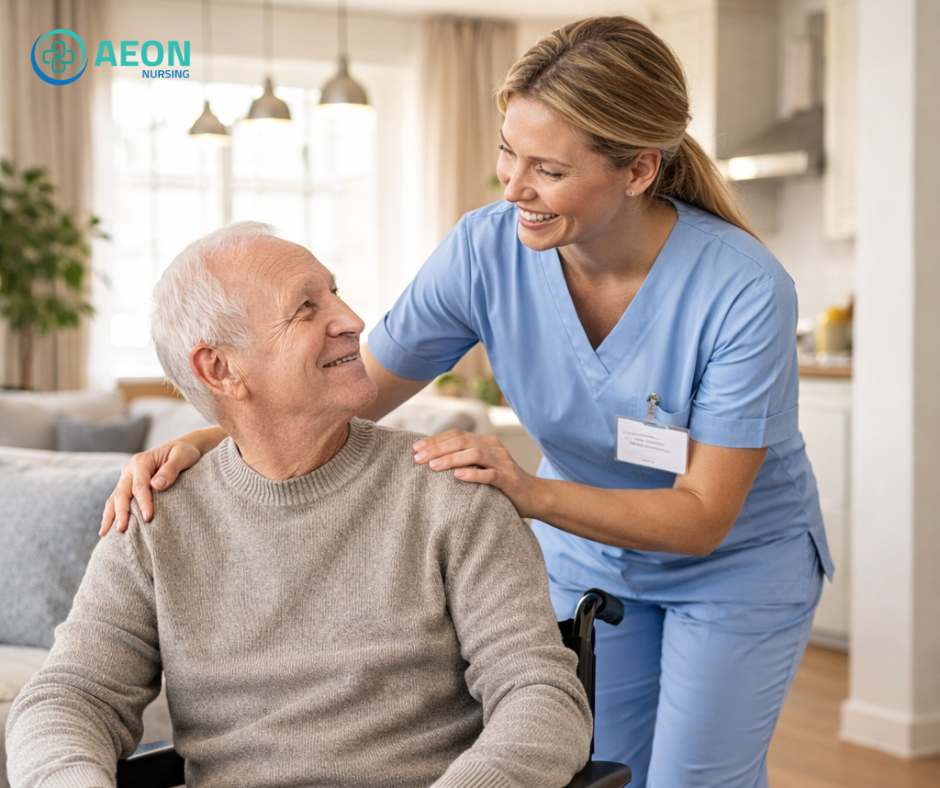
Adults living with severe physical disabilities are individuals with their own abilities, relationships, work, interests, culture, communication and goals. Some people need limited practical assistance; others require support across personal care, movement, equipment or clinical tasks. A diagnosis or visible impairment alone does not define the right home arrangement. Support for severe physical disabilities should begin with what matters to the person and which barriers affect daily life. The home, equipment, staffing, transport, communication and wider services may all influence independence. Good support enables choice and participation while managing assessed risks; it should not assume that safety requires taking control …

How Live-In Care Supports Independence: 7 Essential Checks
Understanding how live-in care supports independence starts with the person’s own meaning of independence. It may involve choosing when to get up, preparing part of a meal, communicating decisions, seeing friends, taking part in family life or managing a health routine with appropriate support. Independence does not mean doing everything without help. Live-in care can provide a consistent presence in the home, but it is not automatically the best or safest option for every person. How live-in care supports independence depends on assessed needs, worker skills, the home, the care plan, professional involvement and whether the arrangement respects choice instead …
Signs a Loved One May Need Live-In Complex Care: 7 Essential Checks
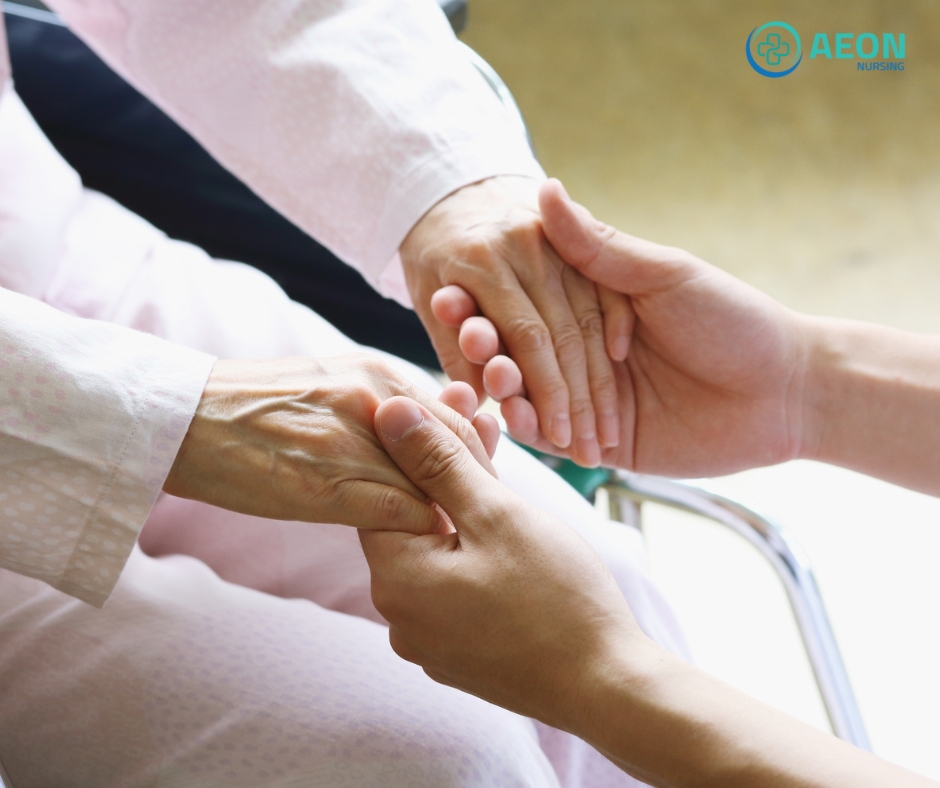
The signs a loved one may need live-in complex care are rarely captured by one difficult day. Families often notice a pattern: everyday routines take longer, health needs are harder to coordinate, nights become less settled, or one relative is carrying more responsibility than they can sustain. Writing down what is changing can make the next conversation more useful. Live-in complex care is not automatically the right response to age, disability, a diagnosis or a hospital admission. It is one possible model of support at home. Suitability depends on the person’s wishes, assessed needs, risks, home environment, clinical plan, available …