High Dependency Patients Outside Hospital: 7 Essential Checks

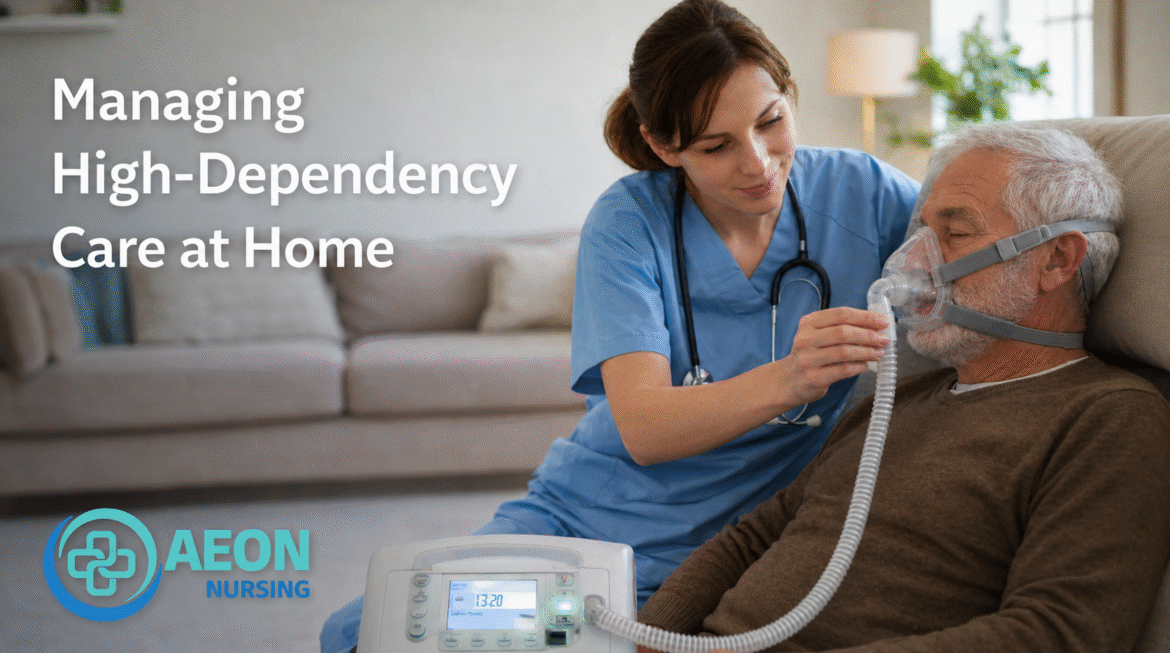
Care for high dependency patients outside hospital can support a person whose health, mobility or daily routines require more coordination than standard homecare usually provides. The aim is not to recreate a hospital ward in someone’s house. It is to build a safe, personalised arrangement around assessed needs, professional instructions, competent staff and the life the person wants to continue at home. The term high dependency describes a level of support, not one diagnosis or one fixed staffing model. One person may need help with breathing equipment, nutrition, medicines, mobility or skin care. Another may need close observation because their …
Prevent Hospital Admissions: 7 Essential Home Care Checks
Can complex care at home help prevent hospital admissions? In some circumstances, an assessed and well-coordinated package may help people recognise changes, follow professional plans and access appropriate support earlier. It cannot guarantee admission avoidance, and it should never delay hospital or emergency treatment when that is the safest response. The aim is to distinguish potentially avoidable disruption from care that genuinely requires hospital facilities or specialist assessment. The NHS England urgent community care framework supports teams to balance patient, clinical and system risk so suitable people can receive safe care outside hospital. Those decisions belong to appropriate clinicians and …
Signs a Loved One May Need Live-In Complex Care: 7 Essential Checks
The signs a loved one may need live-in complex care are rarely captured by one difficult day. Families often notice a pattern: everyday routines take longer, health needs are harder to coordinate, nights become less settled, or one relative is carrying more responsibility than they can sustain. Writing down what is changing can make the next conversation more useful. Live-in complex care is not automatically the right response to age, disability, a diagnosis or a hospital admission. It is one possible model of support at home. Suitability depends on the person’s wishes, assessed needs, risks, home environment, clinical plan, available …