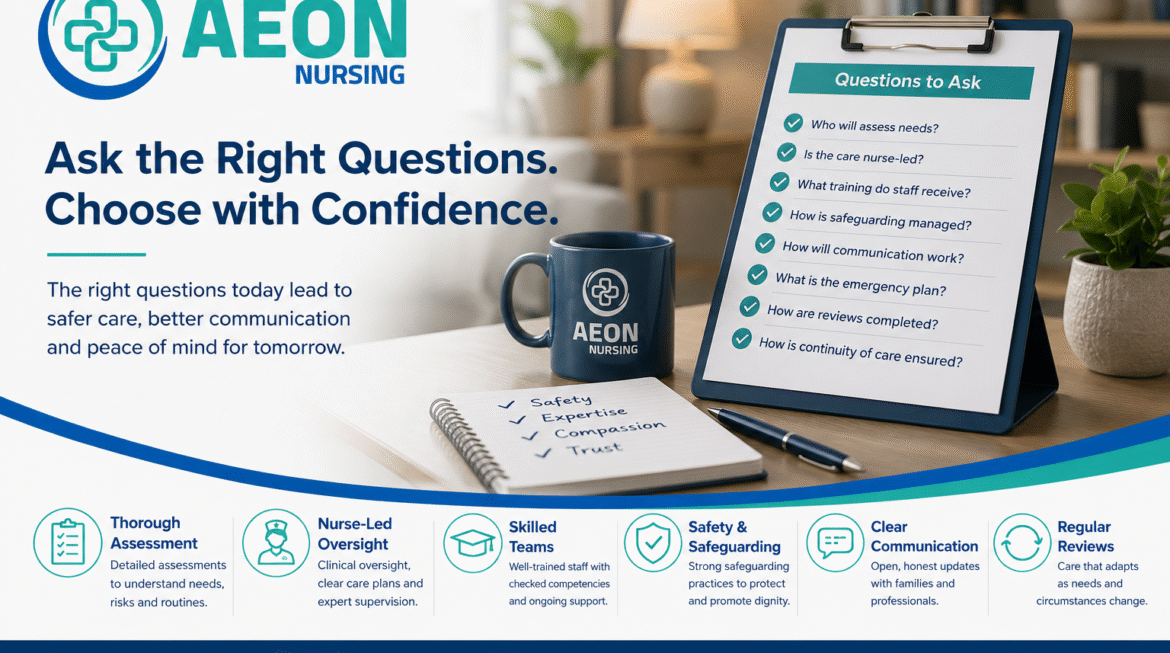
7 Essential Questions Before Arranging Complex Care at Home

The most useful questions before arranging complex care at home are the ones that reveal how a proposed service will work in real life. Families need more than reassuring promises. They need to understand the assessment, staffing, care plan, communication, safeguards, costs and review process before support begins. This can be difficult when a relative is leaving hospital, needs have changed quickly or several organisations are involved. A family may be speaking with ward staff, community professionals, an NHS team, social care and several providers at the same time. Writing down the same core questions for every conversation can make …
How to Choose a Safe Complex Care Provider at Home
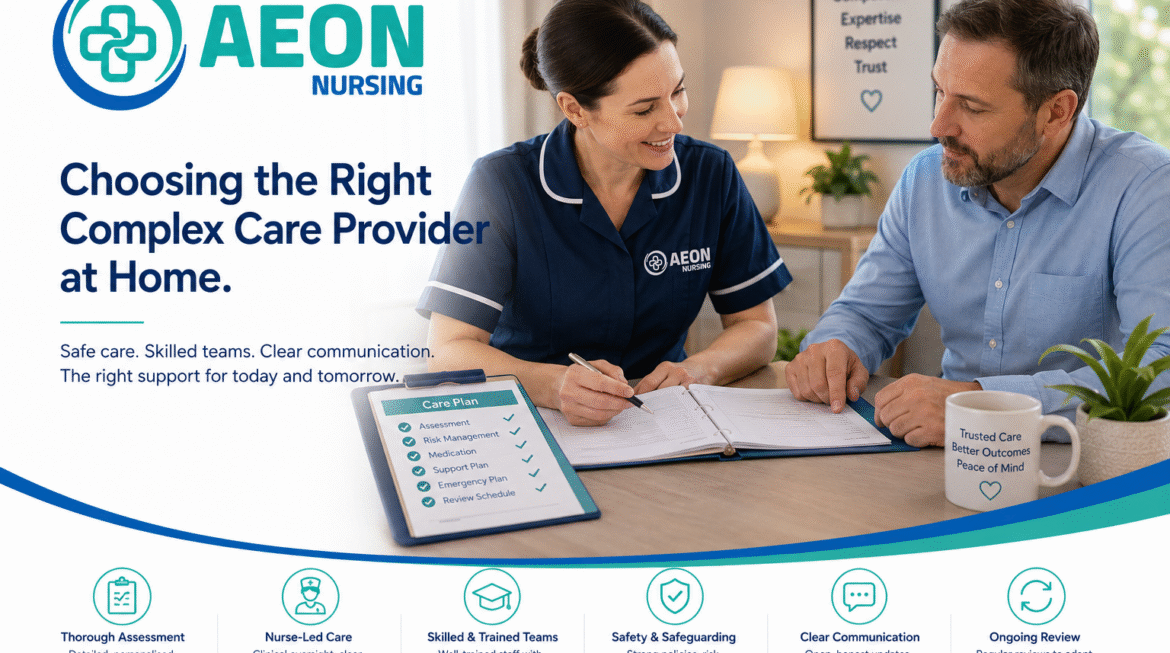
How to Choose a Safe Complex Care Provider at Home Choosing a complex care provider at home is a serious decision. Families often make this choice during a stressful time. A loved one may be leaving hospital. A child may need more support at home. An adult with complex needs may need a safer care plan. Therefore, families need clear information before they decide. Complex care at home is not the same as basic help with daily tasks. It may involve support with serious health conditions, mobility needs, respiratory care, PEG feeding, seizure risk, brain injury, spinal injury, palliative needs, …

Clinically Led Home Care: 7 Essential Checks for Safe Support
Clinically led home care is designed for situations where ordinary day-to-day assistance may not be enough on its own. A person may need support that depends on structured assessment, careful risk planning, competent staff, timely monitoring and clear professional escalation. The aim is not to make home feel like a hospital. It is to bring the right level of oversight into a familiar environment while protecting dignity, choice and ordinary life. The phrase can be confusing because providers use it in different ways. Families should therefore look beyond the label and ask who provides the clinical leadership, what decisions that …

Loved One Needs Home Care? 7 Safe First Steps
When a loved one needs home care, the first decision can feel much bigger than it really is. Families may notice missed meals, reduced confidence, medication confusion, falls, increasing fatigue or a growing dependence on relatives. They often wonder whether they are overreacting, whether they have waited too long or whether raising the subject will upset the person they want to help. A calm process is usually more useful than trying to choose a service immediately. Start by recording what has changed, listening to the person and identifying any urgent concerns. Then gather the assessments and information needed to understand …
High Dependency Patients Outside Hospital: 7 Essential Checks
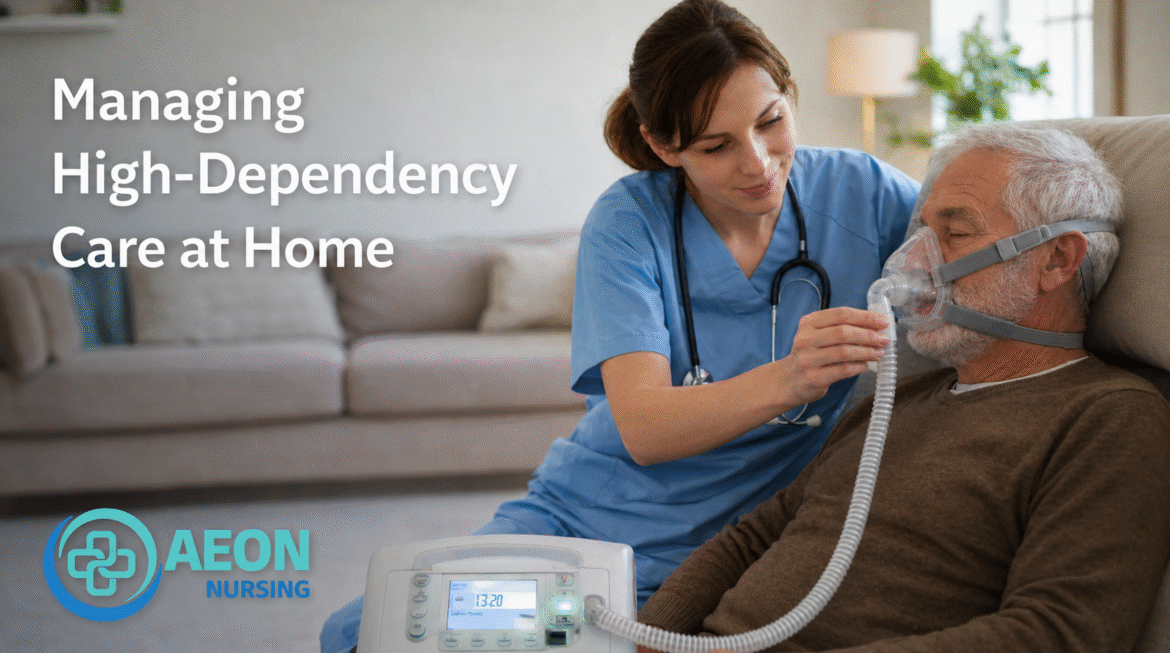
Care for high dependency patients outside hospital can support a person whose health, mobility or daily routines require more coordination than standard homecare usually provides. The aim is not to recreate a hospital ward in someone’s house. It is to build a safe, personalised arrangement around assessed needs, professional instructions, competent staff and the life the person wants to continue at home. The term high dependency describes a level of support, not one diagnosis or one fixed staffing model. One person may need help with breathing equipment, nutrition, medicines, mobility or skin care. Another may need close observation because their …

Prevent Hospital Admissions: 7 Essential Home Care Checks
Can complex care at home help prevent hospital admissions? In some circumstances, an assessed and well-coordinated package may help people recognise changes, follow professional plans and access appropriate support earlier. It cannot guarantee admission avoidance, and it should never delay hospital or emergency treatment when that is the safest response. The aim is to distinguish potentially avoidable disruption from care that genuinely requires hospital facilities or specialist assessment. The NHS England urgent community care framework supports teams to balance patient, clinical and system risk so suitable people can receive safe care outside hospital. Those decisions belong to appropriate clinicians and …