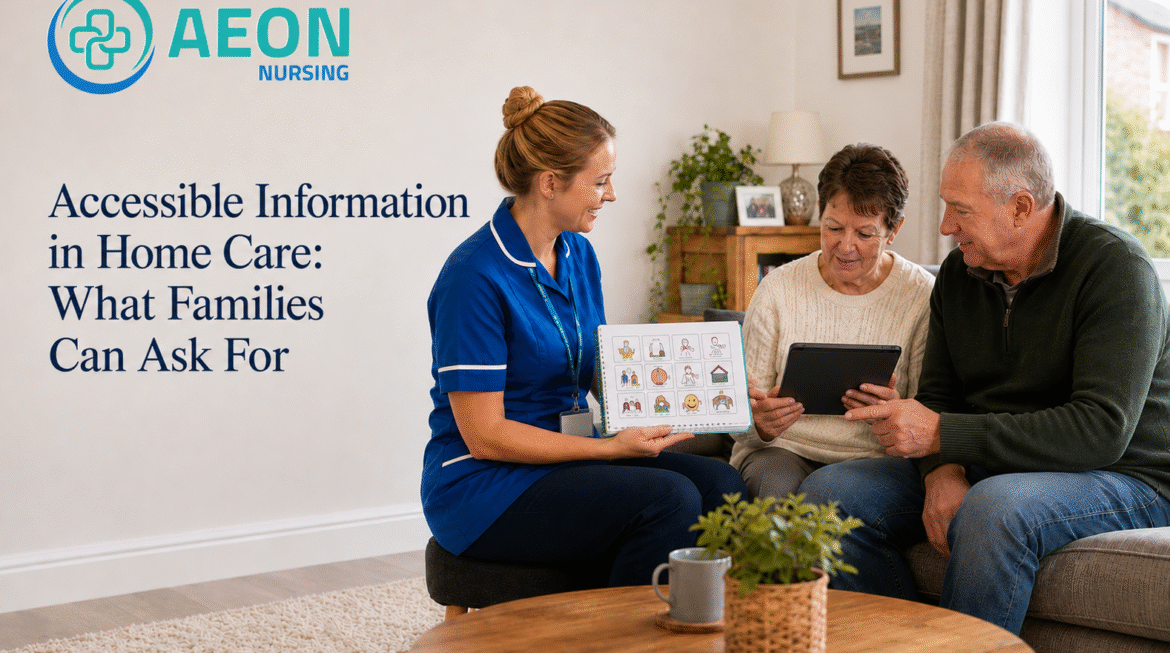
Accessible Information in Home Care: What Families Can Ask For

A practical guide to identifying, recording, flagging, sharing, meeting and reviewing accessible communication needs in home care. …

Mental Capacity at Home: The 5 Principles and a Safe Best-Interests Process
A careful guide to the five Mental Capacity Act principles, decision-specific assessment, best interests, recording and review at home. …

Consent in Home Care: Who Can Decide and How Should Choices Be Recorded?
A practical guide to informed choice, refusal, recording consent, mental capacity and questions families can ask a home-care team. …
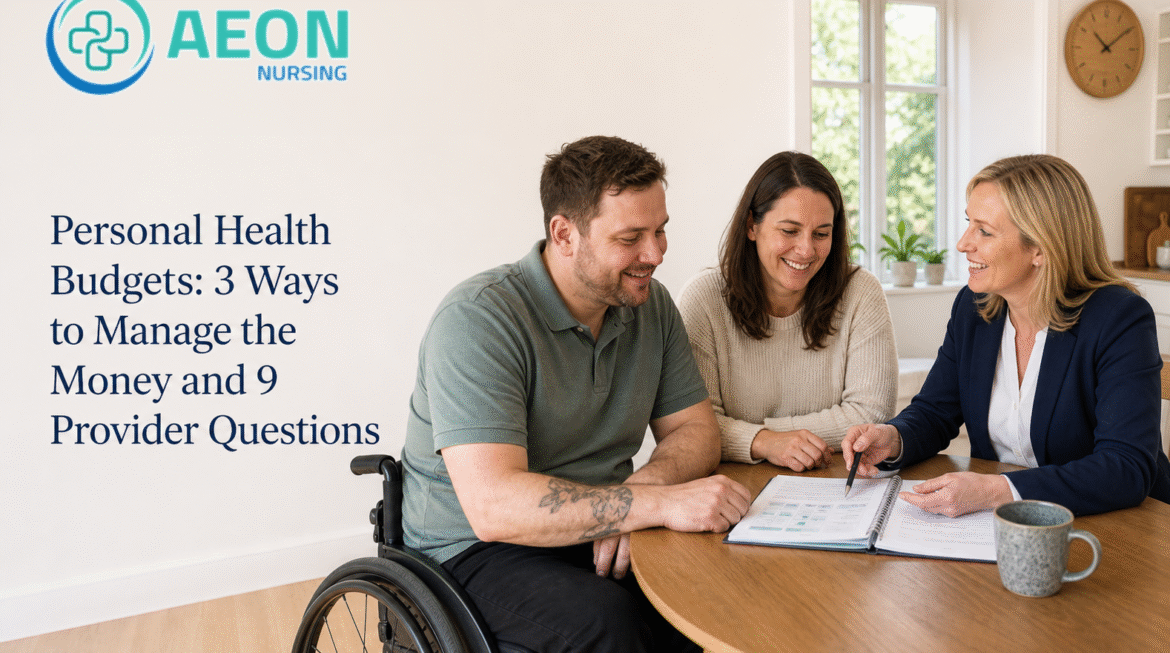
Personal Health Budgets: 3 Ways to Manage the Money and 9 Provider Questions
Compare three ways to manage a personal health budget and nine provider questions about scope, responsibility, staffing, cost and review. …

Mental Health and Complex Care at Home: 7 Questions for a Person-Centred Support Plan
Seven practical questions for a person-centred mental-health support plan covering choice, communication, coordination, safety and review. …
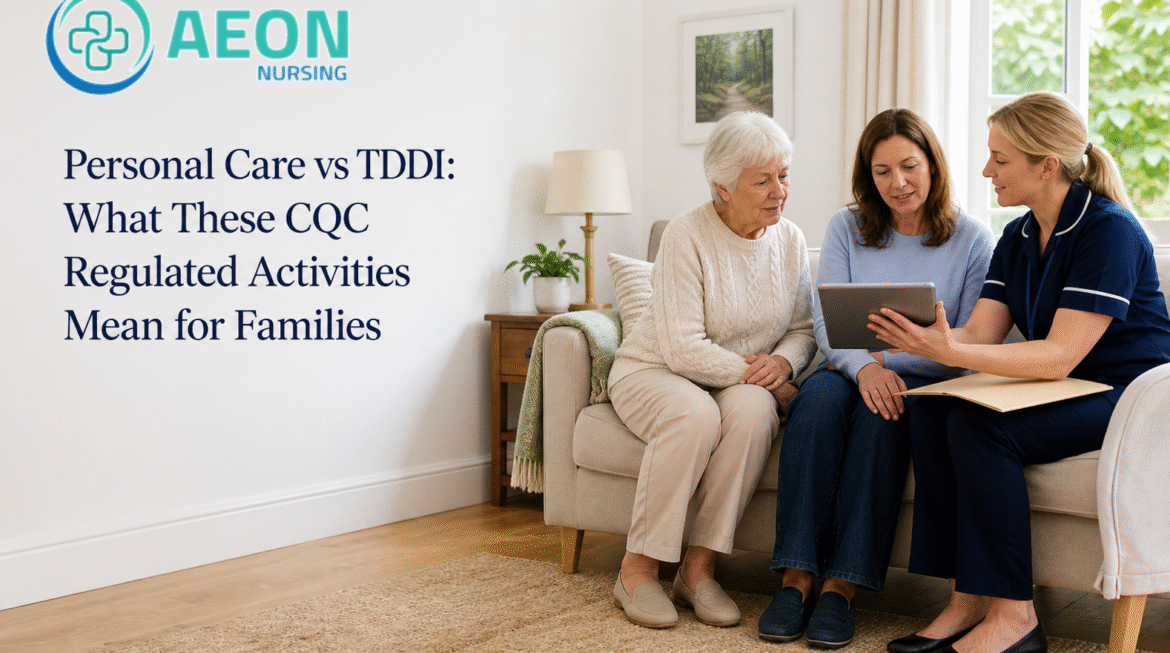
Personal Care vs Treatment of Disease, Disorder or Injury: A Family Guide
A family guide to Personal care and TDDI, CQC registration, delegated tasks, competency, oversight and questions to ask a provider. …
Flu Vaccination and Complex Care at Home: What the 2026/27 Programme Says
A practical family guide to the 2026/27 flu vaccination programme, care-plan records, communication and questions for the NHS team. …

Home Care Handover Notes: 7 Essential Questions
A practical guide to home care handover notes, respectful records, continuity and questions families can ask a provider. …
Support for Health Appointments at Home: 7 Smart Checks
Seven practical checks for supporting health appointments while keeping the person choices, comfort and independence at the centre. …

Palliative Care at Home: 7 Early Planning Steps
When a person is living with an advanced or life-limiting illness, families are often trying to hold two important things together: the person’s comfort and dignity, and the practical reality of organising support. Palliative care at home can be part of that conversation. It is not a single service or a decision that one family has to make alone. It is a way of planning care around the person’s needs, wishes and changing circumstances, with the right health and social-care professionals involved. Starting the conversation early does not mean giving up hope or assuming that a crisis is about to …