
Catheter and Stoma Support at Home: 7 Family Questions

Seven practical questions families can use when planning catheter and stoma support at home. …

Complex Care at Home After a Stroke: 7 Family Questions
Seven practical questions families can use when planning complex care at home after a stroke. …

Home Care Emergency Plan: 7 Smart Checks
A practical home care emergency plan guide for families: seven questions about contacts, routines, information, continuity and next steps. …
Complex Care Assessment at Home: 7 Safe Checks
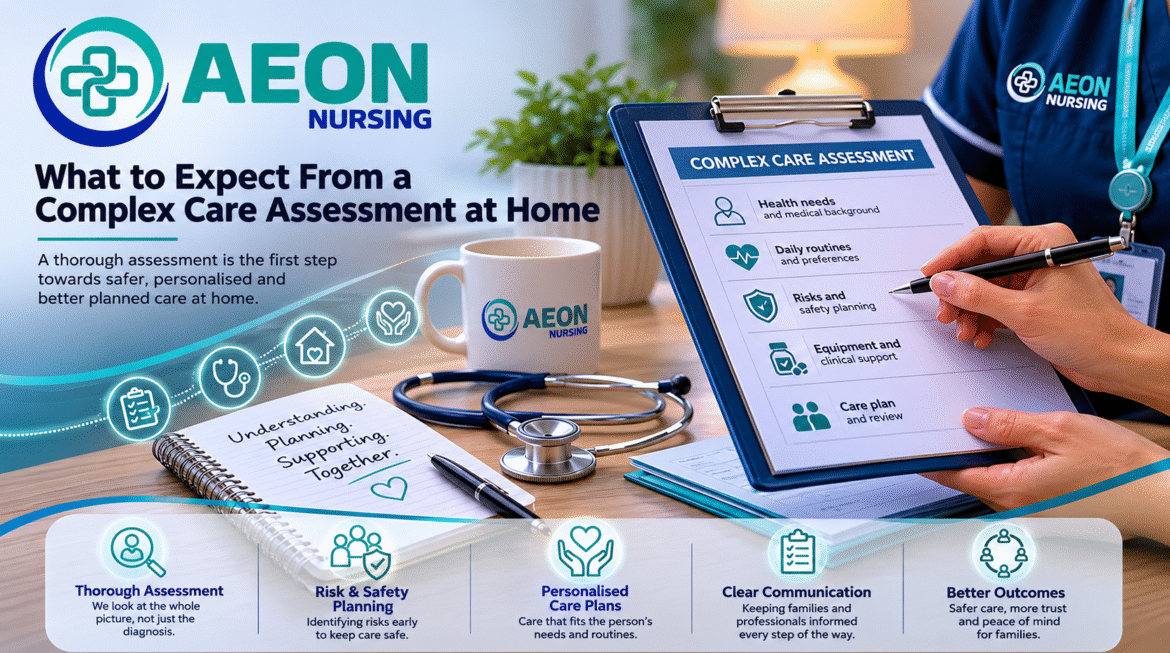
A complex care assessment at home is a conversation and information-gathering process, not simply a form. It should help the person, family and relevant professionals understand current needs, what matters day to day, who is involved and what still needs assessment or a decision. The right complex care assessment at home is individual. It should not be based only on a diagnosis, a hospital summary or assumptions about what another person needed. The person’s wishes, current circumstances and the advice of relevant professionals matter. This guide offers seven safe checks to help families and referrers prepare for a complex care …
7 Essential Questions Before Arranging Complex Care at Home
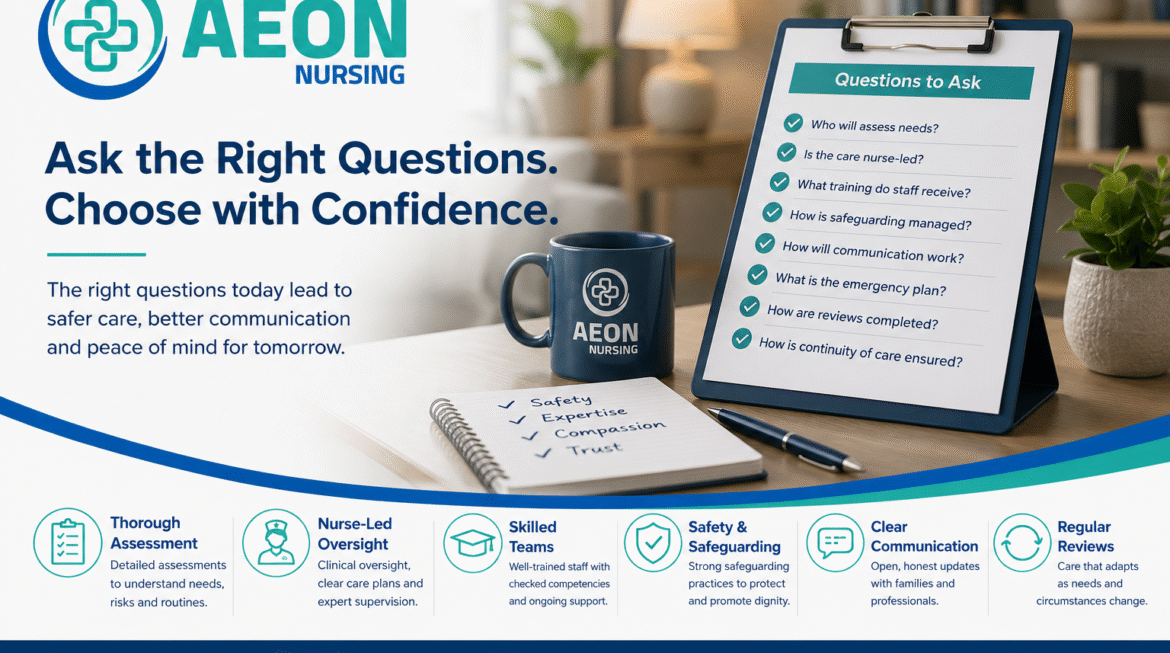
The most useful questions before arranging complex care at home are the ones that reveal how a proposed service will work in real life. Families need more than reassuring promises. They need to understand the assessment, staffing, care plan, communication, safeguards, costs and review process before support begins. This can be difficult when a relative is leaving hospital, needs have changed quickly or several organisations are involved. A family may be speaking with ward staff, community professionals, an NHS team, social care and several providers at the same time. Writing down the same core questions for every conversation can make …

Care Plan Review at Home: 7 Smart Checks
A practical guide to the questions families can ask when needs, routines or priorities change and a care plan review at home is needed. …

How to Choose a Safe Complex Care Provider at Home
How to Choose a Safe Complex Care Provider at Home Choosing a complex care provider at home is a serious decision. Families often make this choice during a stressful time. A loved one may be leaving hospital. A child may need more support at home. An adult with complex needs may need a safer care plan. Therefore, families need clear information before they decide. Complex care at home is not the same as basic help with daily tasks. It may involve support with serious health conditions, mobility needs, respiratory care, PEG feeding, seizure risk, brain injury, spinal injury, palliative needs, …
Inclusive Culturally Sensitive Care at Home: 7 Smart Checks
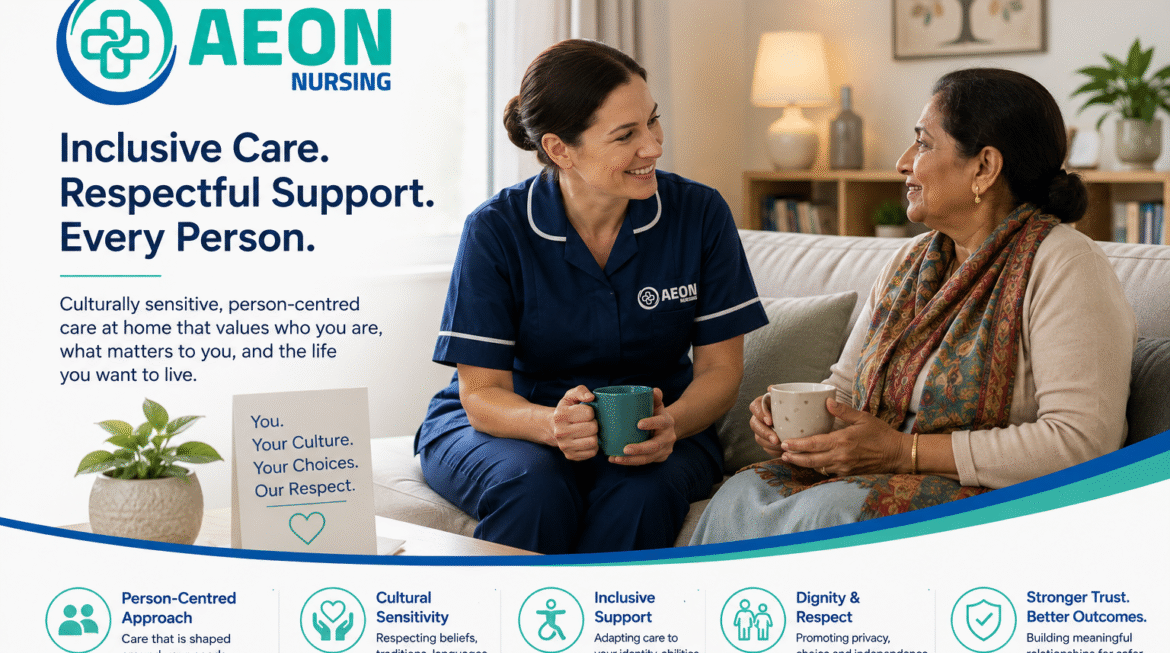
Inclusive culturally sensitive care at home begins with a simple principle: the person receiving support should not have to set aside their identity, routines or way of communicating because care has entered their home. Good support should recognise the whole person, including their health needs, relationships, beliefs, preferences and the things that make daily life feel familiar. This matters in every type of home care. It becomes especially important when support is intimate, long term or complex. A carer may help with washing, dressing, meals, medicines, mobility or communication. Those tasks can only be genuinely person-centred when the person feels …

Loved One Needs Home Care? 7 Safe First Steps
When a loved one needs home care, the first decision can feel much bigger than it really is. Families may notice missed meals, reduced confidence, medication confusion, falls, increasing fatigue or a growing dependence on relatives. They often wonder whether they are overreacting, whether they have waited too long or whether raising the subject will upset the person they want to help. A calm process is usually more useful than trying to choose a service immediately. Start by recording what has changed, listening to the person and identifying any urgent concerns. Then gather the assessments and information needed to understand …