Inclusive Culturally Sensitive Care at Home: 7 Smart Checks

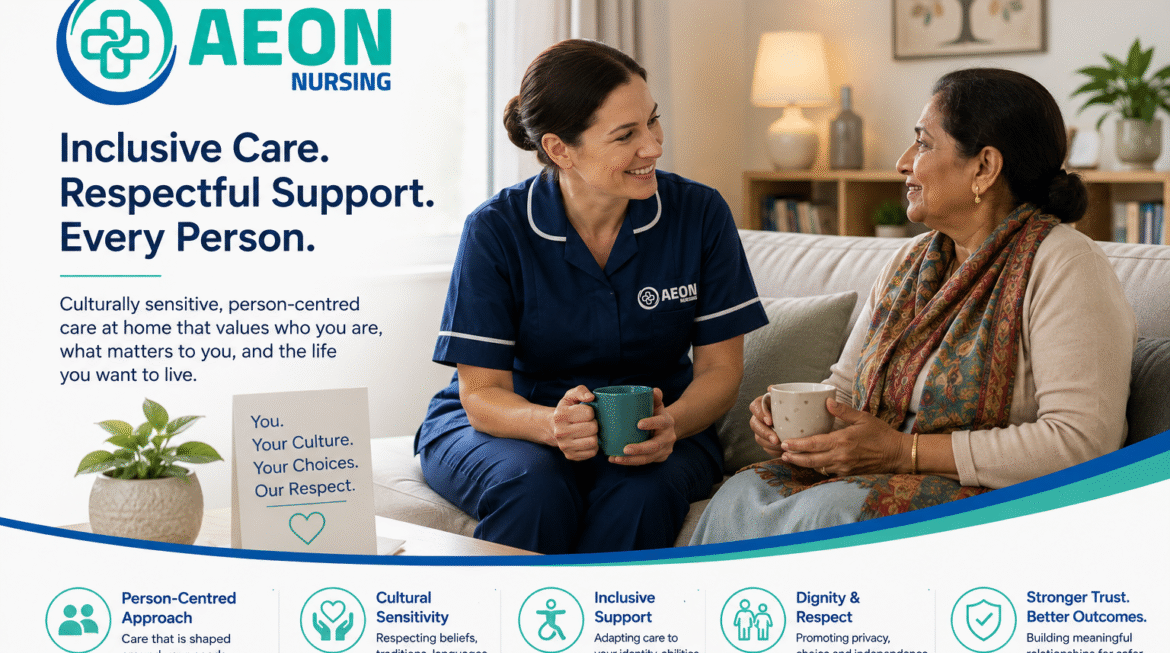
Inclusive culturally sensitive care at home begins with a simple principle: the person receiving support should not have to set aside their identity, routines or way of communicating because care has entered their home. Good support should recognise the whole person, including their health needs, relationships, beliefs, preferences and the things that make daily life feel familiar. This matters in every type of home care. It becomes especially important when support is intimate, long term or complex. A carer may help with washing, dressing, meals, medicines, mobility or communication. Those tasks can only be genuinely person-centred when the person feels …
Complex Home Care: 7 Essential Checks for Safe Teamwork
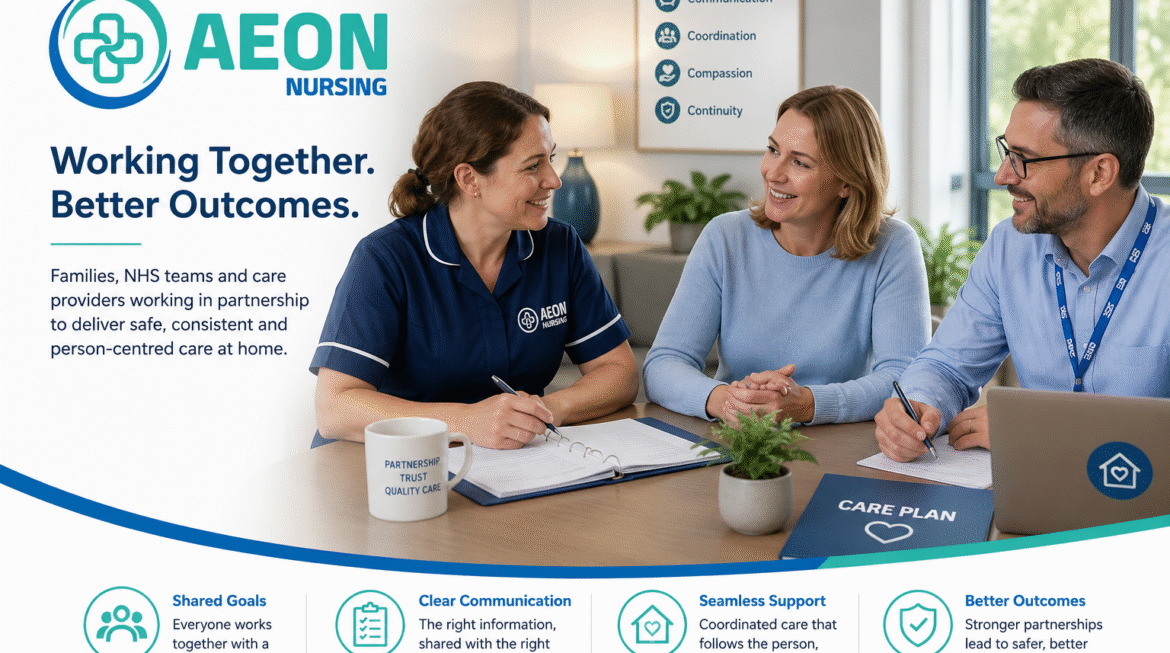
Complex home care often involves more than one source of support. The person and family understand daily life, routines and what has changed. NHS professionals may assess health needs, plan treatment or coordinate discharge. A care provider turns an agreed plan into reliable support in the home. Problems arise when those parts operate as separate conversations. A family may be asked to repeat information, a provider may receive an incomplete handover, or nobody may be sure who owns the next action. Good coordination does not mean that everybody does everything. It means that roles, information and escalation routes are clear. …
Training, Governance and Safeguarding: 7 Essential Checks for Safe Care
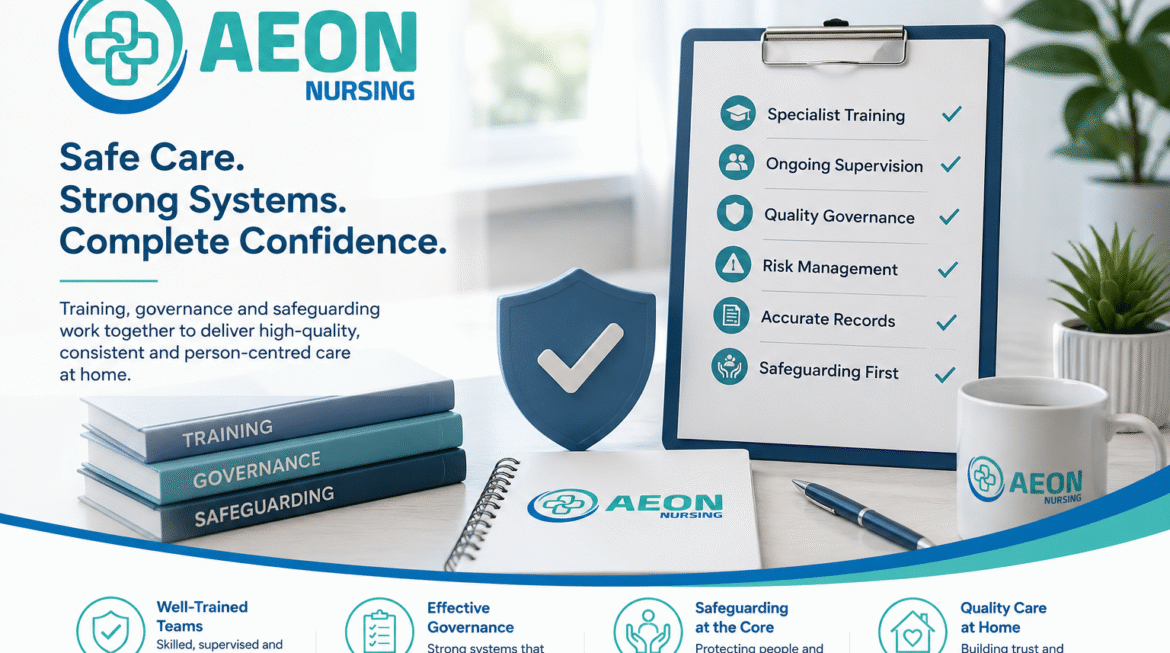
Training, governance and safeguarding are the systems that turn a promise of good home care into safe, consistent practice. Families naturally notice whether staff are kind, punctual and respectful. When needs are complex, they also need confidence that the people providing support have been prepared for the individual care plan, that concerns are reviewed properly and that everyone knows how to respond if something changes. These three areas are connected. Training helps staff understand what to do and why it matters. Governance checks whether plans, records, supervision and outcomes are working in practice. Safeguarding creates clear routes for preventing, recognising …

Seizure Support at Home for Children: 7 Safe Planning Checks
Seizure support at home for children can feel difficult to plan because a child’s needs, routines and professional advice are individual. Families may be balancing school, sleep, play, appointments and the understandable wish for home to remain a comfortable family space. The child’s current care plan and the professionals responsible for their care should guide individual decisions. This guide sets out seven safe planning checks for seizure support at home for children. It is general information for conversations and preparation; it is not medical, nursing, safeguarding, legal, education or funding advice for an individual child. A plan cannot guarantee that …

Palliative Care at Home: 7 Early Planning Steps
When a person is living with an advanced or life-limiting illness, families are often trying to hold two important things together: the person’s comfort and dignity, and the practical reality of organising support. Palliative care at home can be part of that conversation. It is not a single service or a decision that one family has to make alone. It is a way of planning care around the person’s needs, wishes and changing circumstances, with the right health and social-care professionals involved. Starting the conversation early does not mean giving up hope or assuming that a crisis is about to …
NHS Continuing Healthcare at Home: What Families Should Know
NHS Continuing Healthcare at Home: What Families Should Know Funding is one of the biggest worries families face when someone has ongoing complex health needs at home. Even when the need for care feels clear, the route to paying for that care can seem confusing and stressful. This is why NHS Continuing Healthcare, often called CHC, matters so much. The NHS says that NHS Continuing Healthcare is a package of ongoing care arranged and funded solely by the NHS for some adults with long-term complex health needs. The NHS also explains that care can be provided outside hospital, including in …
Clinically Led Home Care: 7 Essential Checks for Safe Support
Clinically led home care is designed for situations where ordinary day-to-day assistance may not be enough on its own. A person may need support that depends on structured assessment, careful risk planning, competent staff, timely monitoring and clear professional escalation. The aim is not to make home feel like a hospital. It is to bring the right level of oversight into a familiar environment while protecting dignity, choice and ordinary life. The phrase can be confusing because providers use it in different ways. Families should therefore look beyond the label and ask who provides the clinical leadership, what decisions that …
Loved One Needs Home Care? 7 Safe First Steps
When a loved one needs home care, the first decision can feel much bigger than it really is. Families may notice missed meals, reduced confidence, medication confusion, falls, increasing fatigue or a growing dependence on relatives. They often wonder whether they are overreacting, whether they have waited too long or whether raising the subject will upset the person they want to help. A calm process is usually more useful than trying to choose a service immediately. Start by recording what has changed, listening to the person and identifying any urgent concerns. Then gather the assessments and information needed to understand …
Respiratory Complex Care at Home: 7 Essential Safety Checks
Respiratory complex care at home can help a person live in familiar surroundings while following an assessed plan for breathing support, monitoring, equipment and daily care. It may be relevant to people with long-term respiratory disease, neurological conditions, spinal injury or another condition that affects breathing. The exact package must always reflect the individual rather than a broad diagnosis. Home can offer comfort, routines, family contact and greater control over ordinary life, but it does not remove clinical risk. Respiratory needs can change, equipment can fail and symptoms may require urgent assessment. Safe community respiratory care therefore depends on current …
High Dependency Patients Outside Hospital: 7 Essential Checks
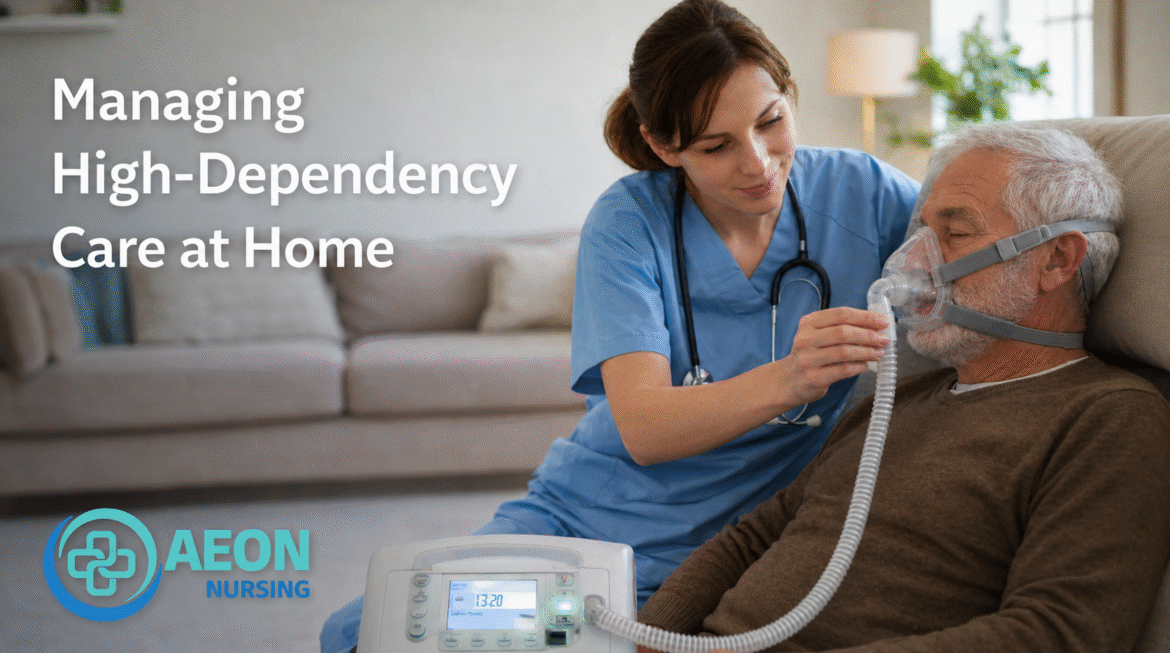
Care for high dependency patients outside hospital can support a person whose health, mobility or daily routines require more coordination than standard homecare usually provides. The aim is not to recreate a hospital ward in someone’s house. It is to build a safe, personalised arrangement around assessed needs, professional instructions, competent staff and the life the person wants to continue at home. The term high dependency describes a level of support, not one diagnosis or one fixed staffing model. One person may need help with breathing equipment, nutrition, medicines, mobility or skin care. Another may need close observation because their …